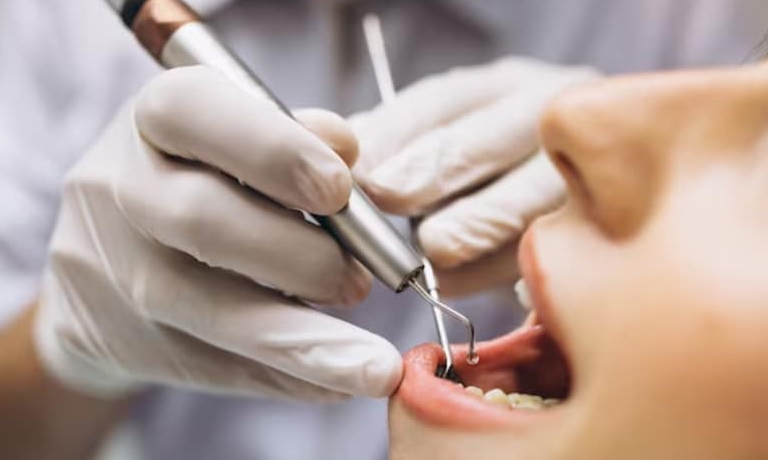
Why Preventive Dentistry Is The Foundation Of Every Cosmetic Smile Plan

You may be thinking about whitening, veneers, or bonding because something about your smile has bothered you for years. Maybe it is staining that never lifts, a chipped edge that catches your eye in photos, or teeth that look uneven no matter how much you brush. If you have been researching porcelain veneers Midtown Manhattan and Upper East Side, you may also have a quiet worry in the background. What if there is a cavity under that tooth? What if your gums are not as healthy as they should be? That tension is real, because cosmetic work looks best and lasts longer when the mouth underneath it is healthy.
That is why preventive dentistry comes first. A strong cosmetic smile plan is not just about shape and color. It starts with clean teeth, stable gums, early cavity care, and habits that protect your results. If the foundation is weak, even beautiful dental work can fail sooner than it should.
Cosmetic dentistry works better when oral health problems are treated first
People often want to fix what they can see. The problem is that many smile issues are tied to things you cannot see right away. Surface stains may be the easy part. Gum inflammation, enamel wear, early decay, grinding, and plaque buildup can all sit underneath the cosmetic concern. If those issues are skipped, the final result may look good for a short time, then start breaking down.
A simple example makes the point. You whiten your teeth, but untreated decay causes sensitivity and pain a few months later. You get bonding on a chipped front tooth, but nighttime grinding cracks it again. You invest in veneers, but swollen gums change how they frame your smile. None of that means cosmetic care is a bad idea. It means oral health has to lead the plan.
Research keeps backing this up. The National Institute of Dental and Craniofacial Research points to the broad impact of oral disease on comfort, function, and quality of life in its Oral Health in America report. Tooth decay and gum disease do not just affect health in the abstract. They affect how your smile feels, how dental work performs, and how long your investment holds up.
That is the heart of preventive dental care before cosmetic treatment. It is less about delaying what you want and more about making sure you do not pay twice for the same result.
Preventive care protects both your appearance and your budget
Cosmetic treatment can be a meaningful investment. Most people do not want temporary beauty. They want a smile that feels natural, stays comfortable, and still looks good years later. Preventive care supports that goal in practical ways.
Routine exams can catch small cavities before they grow. Professional cleanings remove hardened plaque that brushing at home cannot. Gum checks can spot bleeding, recession, or inflammation that changes the look of the smile line. Home care matters too. The ADA outlines the basics of effective daily oral home care, including brushing with fluoride toothpaste and cleaning between teeth every day. Those habits sound simple because they are, and they still shape the outcome of cosmetic work more than many people expect.
There is also a financial side that patients feel right away. A small filling usually costs less and takes less time than treating a deep cavity after cosmetic work is already in place. MedlinePlus explains how tooth decay develops and progresses, often starting quietly before pain shows up. Waiting for symptoms is expensive. Prevention lowers the chance that hidden disease will interrupt a smile plan later.
General and cosmetic dentist care should be planned together
The best smile plans are not split into two separate worlds, one for health and one for looks. A skilled general and cosmetic dentist looks at both at the same time. That means checking bite balance, enamel strength, gum health, old fillings, and signs of clenching before choosing the cosmetic option that fits you best.
Sometimes the right first step is not veneers or whitening. It may be a cleaning, a night guard, treatment for gum inflammation, or replacing worn dental work. That can feel frustrating if you were ready to jump straight to the visible part. Still, this is where good care feels honest. You are not being slowed down without reason. You are being protected from avoidable problems.
| Approach | Short Term Result | Long Term Risk | Likely Benefit |
|---|---|---|---|
| Cosmetic treatment without preventive care | Faster change in appearance | Missed decay, gum issues, sensitivity, shorter lifespan of dental work | Improved look, but less stability |
| Preventive care before cosmetic treatment | May take more time at the start | Lower risk of hidden problems disrupting treatment | Healthier mouth, better comfort, more durable results |
| Preventive care plus ongoing maintenance after treatment | Steady upkeep | Lowest risk of avoidable damage from neglect | Best chance of keeping cosmetic results looking good longer |
A cosmetic smile makeover starts with clear, practical steps
Schedule a full dental evaluation. Ask for more than a cosmetic consultation. You want an exam that checks for decay, gum disease, bite issues, grinding, and old dental work that may need attention first. This creates a real plan, not a rushed guess.
Fix active problems before changing appearances. If there is bleeding, plaque buildup, untreated cavities, or sensitivity, handle those first. This step often improves comfort right away and gives your dentist a healthier surface to work with.
Protect the result at home every day. Brush with fluoride toothpaste, clean between your teeth daily, and follow the maintenance schedule you are given. If you grind your teeth, use the guard recommended for you. Cosmetic work is not a finish line. It is something you maintain.
Healthy teeth and gums give cosmetic dentistry its best chance to last
A smile plan should feel exciting, not uncertain. When prevention comes first, you are not settling for less. You are giving yourself the best chance at a smile that looks good and stays comfortable. That is the real foundation of cosmetic dentistry planning, and it is where lasting results begin.
If you are considering care from a general and cosmetic dentist, start with the health of your teeth and gums. That first step often makes every step after it more successful.