7 Family Dental Topics Worth Discussing Before A Child Starts School

Getting a child ready for school already feels like a full list. Forms, backpacks, sleep schedules, lunch worries, and then one more thing lands on your mind, their teeth. A lot of parents have that quiet thought in the background. What if there is a cavity you did not notice, or brushing has been more of a battle than a routine, or the first school year brings a lot more sugar, germs, and rushed mornings than your child has handled before. For families thinking ahead about long-term dental care, topics like porcelain crowns in Pensacola may also come up as part of the bigger picture.
That concern makes sense. School changes daily habits fast, and oral health usually gets pulled into that shift. The good news is that a conversation with a family dentist before school starts can clear up the issues that tend to snowball later. The right talks usually center on decay risk, brushing habits, fluoride, diet, dental anxiety, mouth injuries, and the timing of checkups. Those seven topics give you a practical way to protect your child’s smile before the school year starts setting the pace.
Tooth decay often starts quietly and gets expensive fast
Small children do not always say a tooth hurts. They may chew on one side, get moody at meals, or wake at night and you chalk it up to everything else going on. Tooth decay in children is still common, and the numbers are not small. The National Institute of Dental and Craniofacial Research reports on dental caries in children, showing how often cavities affect kids and why early prevention matters.
Once school begins, missed signs can turn into missed class, poor sleep, and bigger treatment costs. That is why one of the most useful back-to-school dental topics is simple. Ask whether your child shows any early cavity risk and what your dentist sees that you may not.
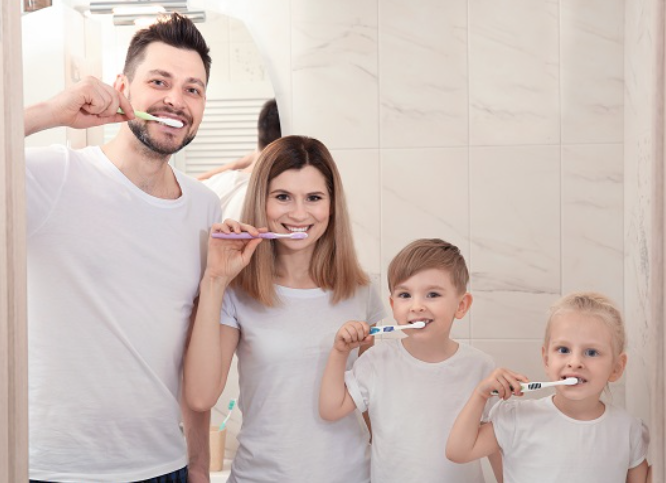
Brushing and flossing habits need to fit real school mornings
Most families do not struggle because they do not care. They struggle because mornings are rushed and evenings get messy. A child who brushes well on a calm Saturday may do a rushed ten second swipe on a Tuesday before the bus. That gap matters.
A family dentist can help you build a routine your child can actually keep. Sometimes that means changing the toothbrush size, using a flavored toothpaste your child will accept, or showing you how much help they still need. Many school age children are not as independent with brushing as they seem. According to the HRSA guidance on oral health for young children, daily home care and early dental support work together, not separately.
Fluoride and sealants protect teeth during high risk years
Parents often hear mixed messages about fluoride, and that confusion can leave kids underprotected. School age years bring more snacks, more exposure to cavity causing foods, and new molars that are harder to clean. Fluoride strengthens enamel. Sealants add a barrier over the grooves where decay often starts.
If your child has deep grooves in the back teeth or a history of cavities, waiting can cost you. A quick talk with a family dentist about fluoride varnish, toothpaste strength, and sealants can prevent the kind of problem that only gets noticed when a child says cold water hurts.
Snacks and drinks can undo good brushing
You can do a solid job at home and still run into trouble when the school routine adds juice boxes, sports drinks, gummy snacks, and constant grazing. Frequency matters as much as sugar content. Teeth recover better from set meal and snack times than from all day sipping and nibbling.
The CDC’s oral health tips for children stress water, healthy snacks, and consistent brushing because cavities do not come from one cupcake at a birthday party. They come from repeated exposure that keeps acid working on the teeth. A dentist can help you sort out which swaps are realistic, not perfect.
Dental fear can start before a child ever sits in the chair
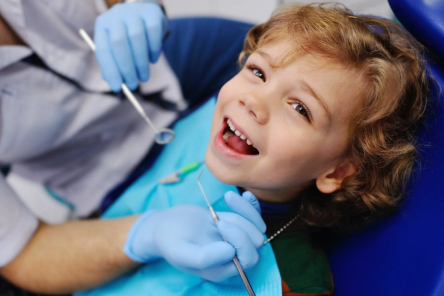
Some children walk into a dental office curious. Others freeze at the door. If your child is anxious, starting school can magnify it because there are already so many new things happening at once. Fear often grows when parents wait until there is pain and the first visit becomes treatment instead of a calm introduction.
Discussing behavior support ahead of time helps. You can ask how visits are paced, whether your child can tour the room first, and what language the team uses. That matters more than people think. A child who feels cornered remembers it. A child who feels prepared usually does better the next time too.
Sports, recess, and playground falls raise the risk of mouth injuries
School is not only about cavities. It is also a season of falls, bumps, and sports. If your child plays soccer, basketball, or any contact activity, ask about a mouthguard. If a tooth gets chipped at recess, you do not want to be searching for advice while your child is crying in the nurse’s office.
This is where children’s dental care before school becomes practical. You can ask what to do if a baby tooth is knocked loose, what changes when it is a permanent tooth, and when an injury needs same day care.
Timing checkups before school can prevent disruptions after school starts
Once classes begin, every appointment competes with attendance, work schedules, and after school activities. A pre-school year visit gives you space to handle cleanings, X-rays if needed, sealants, and treatment before absences become harder to manage.
That is also the moment to discuss growth and development. Bite changes, crowding, thumb sucking history, and grinding can all come up during the elementary years. A dentist can tell you what needs monitoring and what is just a phase.
Common school year dental issues and practical responses
| Topic | What can go wrong | What to discuss with the dentist |
|---|---|---|
| Cavity risk | Small decay turns into pain, missed school, and fillings | Exam findings, risk level, fluoride plan, sealants |
| Home care | Rushed brushing leaves plaque behind | Technique, supervision, flossing, product choices |
| Snacks and drinks | Frequent sugar and acid exposure weakens enamel | Lunchbox swaps, drink choices, snack timing |
| Anxiety | Fear leads to delayed visits and harder treatment | Behavior support, visit pacing, comfort strategies |
| Injuries | Chipped or loose teeth after play or sports | Mouthguards, emergency steps, when to call right away |
Three steps you can take right away
Book a pre-school dental visit. Try to schedule before the first week of classes. It is easier to handle treatment, paperwork, and follow up when your calendar still has breathing room.
Do a one week reality check at home. Watch one full week of brushing, flossing, snacks, and drinks without judging it. You will see the real weak spots fast, whether that is bedtime brushing, sticky snacks, or a child who still needs hands-on help.
Write down five questions before the appointment. Ask about cavity risk, fluoride, sealants, brushing skill, and what to do in a dental emergency. Parents often remember the big worries in the car ride home, not in the chair.
The start of school puts pressure on every routine, and teeth are no exception. A little planning now can spare your child pain, spare you surprise costs, and make the year feel more manageable. If school is around the corner, this is a good time to schedule a visit with a family dentist and talk through the concerns that have been sitting in the back of your mind.