3 Advantages Of Visiting A Specialist For Implant Dentistry

You might be feeling pulled in two directions right now. On one hand, you want a secure, natural looking fix for a missing tooth. On the other, implant treatment can feel like a big step, especially when you are hearing different opinions from different offices. That uncertainty is real, and it often shows up before you even sit in the chair. You may be wondering whether a periodontist Long Island patients trust should place the implant, what could go wrong, and whether paying for a specialist is truly worth it.
If that sounds familiar, you are not overthinking it. Dental implants are medical devices placed in bone and gum tissue, so the person planning and placing them matters. A periodontist and implant dentist focuses on the structures that support your teeth, which often makes care more precise, especially if you have bone loss, gum issues, or a complex case. In simple terms, one of the clearest benefits of seeing an implant specialist is that you get focused training, careful planning, and support if your mouth needs more than a straightforward implant.
Why can implant dentistry feel simple at first, then suddenly complicated?
At first, the idea seems easy enough. Replace the missing tooth, heal, and move on. But once the conversation starts, more questions appear. Do you have enough bone? Are your gums healthy enough to support the implant? Is there a bite issue that could put pressure on the new tooth? Because implants depend on the health of the surrounding tissue, small details can affect long term success.
This is where a specialist can make a real difference. A periodontist and implant dentist is trained to evaluate the foundation, not just the space where the tooth is missing. If you have had gum disease before, or if the tooth was lost years ago and the bone has changed, a general plan may no longer be enough. According to the FDA’s guidance on dental implants, patients should understand both benefits and risks before treatment. That process tends to be stronger when the provider is used to handling tissue, bone, healing, and implant placement every day.
So, what are the three main advantages? First, you often get a more accurate diagnosis and treatment plan. Second, you may reduce the risk of complications tied to gum health and bone support. Third, you are more likely to receive care that protects the implant over time, not just on the day it is placed.
See also: FDA Warning Letters Just Blew Up the Cheap GLP-1 Microdose Market. Here’s What Changed.
How does a specialist improve planning for implant treatment?
Planning is where good outcomes usually begin. A specialist looks beyond the missing tooth and studies the full picture, including bone volume, gum thickness, nearby teeth, bite forces, and your health history. That matters because an implant that looks fine on paper may still struggle if the support around it is weak.
Imagine two patients. One lost a tooth recently after an accident. The other lost a tooth years ago and has some bone shrinkage. Both may want the same result, but they do not need the same treatment path. A specialist in implant dentistry is trained to spot those differences early, which can help avoid rushed decisions and surprise changes later.
This focused planning can also help financially. While specialist care may seem like a bigger upfront investment, it may lower the chance of added procedures caused by poor fit, unstable tissue, or infection. When treatment is mapped carefully from the start, you are less likely to face expensive corrections that could have been prevented.
Can a periodontist and implant dentist lower the risk of gum and bone problems?
Yes, and this is often the reason people are referred to one. Implants do not get cavities, but they can still fail if the surrounding tissue is unhealthy. Bone loss, gum inflammation, and peri implant disease can threaten the result. If you have a history of gum disease, smoking, diabetes, or tooth loss over a long period, these concerns deserve close attention.
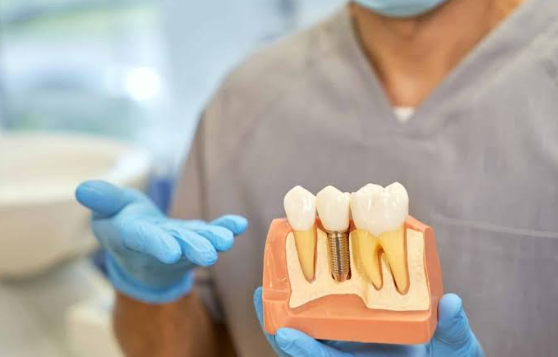
A periodontist and implant dentist is trained to manage the tissues that hold the implant in place. That can include grafting, shaping the gum line, treating active periodontal problems, and building a cleaner path for healing. In other words, this is not just about placing a screw in bone. It is about creating the conditions that help the implant last.
Good home care also matters after treatment. The National Institute on Aging offers helpful advice on taking care of your teeth and mouth, including daily habits that support gum health. Even the best placed implant still depends on steady care once you go home.
What practical differences should you compare before choosing implant care?
When you are trying to decide, it helps to compare what specialist care may offer in real terms, not just in titles. Here is a simple way to look at it.
| What to Compare | General Implant Approach | Specialist Implant Approach |
|---|---|---|
| Evaluation | May focus mainly on replacing the missing tooth | Often includes bone, gums, bite, healing risk, and long term tissue support |
| Complex cases | May require outside referral later | Often better suited for bone loss, gum disease history, or grafting needs |
| Risk management | Varies by office experience | Focused training in managing soft tissue and bone related complications |
| Long term maintenance | May depend on separate follow up plans | Often includes closer monitoring of gum and implant health over time |
This does not mean every case requires a specialist. Some straightforward implant cases can be handled well in other settings. But if your situation includes failed dental work, bone loss, gum recession, or questions about whether you are even a candidate, the advantages of a dental implant specialist become much easier to see.
What can you do right now if you are still unsure?
1. Ask about the foundation, not just the tooth.
When you meet with a provider, ask how your bone and gum health affect the plan. If the answer feels rushed or vague, that tells you something. You want a clear explanation of what supports the implant and what could threaten it.
2. Review your health history honestly.
If you have had gum disease, smoke, grind your teeth, or have health conditions that affect healing, bring that up early. These details are not side notes. They shape whether a simple implant plan is enough or whether a specialist is the better fit.
3. Verify the right kind of care for your case.
If you are not sure where to start, use trusted public health guidance on finding dental care. It can help you think through what type of provider may suit your needs, especially when treatment feels confusing.
So where does that leave you if you want the best chance at a lasting result?
It leaves you with a smart question, not a fearful one. Not just, “Can I get an implant?” but, “Who is best prepared to protect the bone and gum support that implant needs?” That shift matters. The right provider is not simply replacing a tooth. They are helping rebuild function, comfort, and confidence in a way your mouth can actually sustain.
If you are weighing your options, take your time, ask direct questions, and pay close attention to how thoroughly your case is assessed. When your treatment involves missing teeth, bone support, and healing tissue, choosing a periodontist and implant dentist can offer peace of mind that goes beyond the procedure itself.