5 Smile Makeover Procedures Commonly Offered In Family Dental Practices

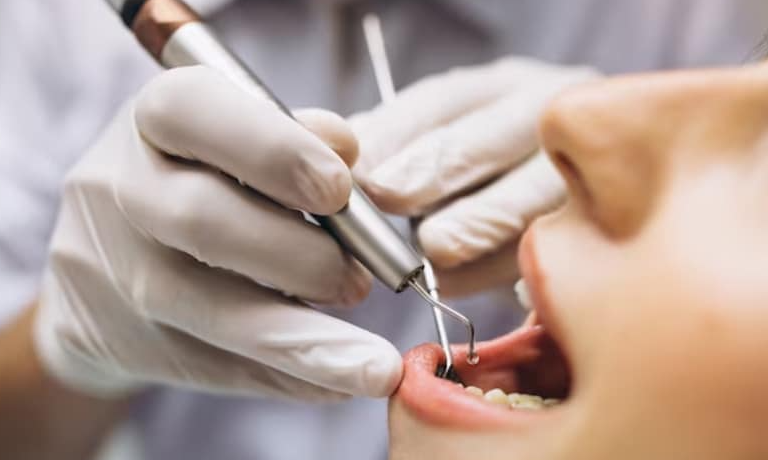
You might be looking in the mirror and noticing the same thing over and over, a stain that will not lift, a chip that catches your eye, or teeth that feel a little crowded when you smile. That can wear on you more than people realize. A smile is personal, and when you do not feel at ease with yours, even small moments like photos, meetings, or dinner with friends can feel harder than they should. The good news is that many offices offering family dental care in Phoenix, AZ, along with general and cosmetic dentist services, provide practical ways to improve both appearance and function. In simple terms, common smile makeover treatments often include whitening, bonding, veneers, clear aligners, and tooth colored crowns or fillings.
So, where does that leave you if you want change but do not want to rush into something you do not fully understand? It helps to know what each option is meant to fix, how long results may last, and what tradeoffs come with the choice. Once you can see the path more clearly, the process tends to feel less overwhelming.
Why Do So Many People Ask About Cosmetic Dental Care In A Family Practice?
For many people, the appeal is comfort and convenience. You may already trust your family dentist for cleanings and exams, so asking about cosmetic work feels like a natural next step. That matters, because smile concerns are rarely only cosmetic. A worn edge might change how your bite feels. Crooked teeth can make cleaning harder. A dark filling in a front tooth may be healthy, but still leave you self conscious.
Because of this tension, you might wonder whether the issue is really about looks or something more. Often, it is both. A family practice that offers smile enhancement procedures can help you sort out what is optional, what is restorative, and what may support long term oral health.
If you are dealing with tooth pain, swelling, or signs of infection, that should come first. The basics matter. MedlinePlus explains common causes and warning signs of tooth disorders and dental symptoms, which can help you tell the difference between a cosmetic concern and a problem that needs prompt treatment.
See also; FDA Warning Letters Just Blew Up the Cheap GLP-1 Microdose Market. Here’s What Changed.
Which 5 Smile Makeover Procedures Are Commonly Offered, And What Do They Actually Fix?
1. Professional teeth whitening. This is often the first step because stains from coffee, tea, wine, tobacco, and age can dull otherwise healthy teeth. In office whitening is usually faster and more even than store bought products. It works best on surface and age related stains, though not every type of discoloration responds the same way.
2. Dental bonding. Bonding uses tooth colored resin to repair chips, small gaps, uneven edges, and minor shape issues. If you have one tooth that looks out of place, bonding can be a simple fix. It is usually less costly than veneers, though it may stain or wear sooner.
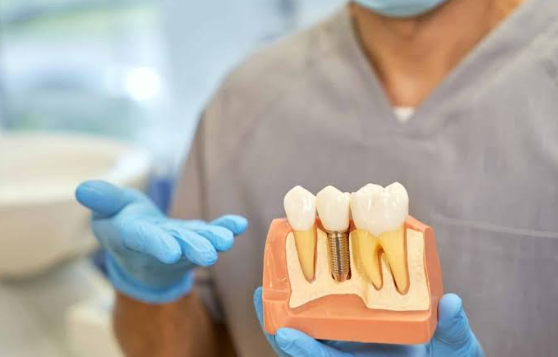
3. Veneers. Veneers are thin shells placed on the front of teeth to improve color, shape, spacing, and symmetry. They are often chosen when several concerns show up at once. If you want a more dramatic change, veneers may offer that, but they also require careful planning and are not the right fit for every bite or every budget.
4. Clear aligners or orthodontic treatment. When teeth are crowded, spaced, or slightly rotated, moving them into better position can change the whole smile. It can also make brushing and flossing easier. MedlinePlus offers a helpful overview of orthodontia and tooth alignment treatment if you want a plain language look at how these systems work.
5. Tooth colored crowns and fillings. Some smile changes are less about adding something new and more about replacing what no longer blends well. Old metal fillings, cracked teeth, or worn restorations can often be updated with materials that match your natural tooth shade. The National Institute of Dental and Craniofacial Research has a useful guide to modern dental materials used in restorations, including points about durability and use.
How Do You Compare These Smile Improvement Options Without Feeling Overwhelmed?
When several choices sound good, the hard part is knowing what fits your needs now, not just what looks appealing on paper. A quick comparison can help you narrow the field.
| Procedure | Best For | Typical Tradeoff | General Longevity |
|---|---|---|---|
| Professional Whitening | Surface stains and overall brightness | May cause short term sensitivity, does not change shape | Months to a few years with upkeep |
| Bonding | Small chips, gaps, uneven edges | Can stain or chip over time | Several years |
| Veneers | Color, shape, size, and symmetry concerns | Higher cost, careful case selection needed | Often many years with good care |
| Clear Aligners | Crowding, spacing, mild to moderate alignment issues | Requires consistent wear and patience | Long lasting with retainer use |
| Tooth Colored Crowns or Fillings | Damaged teeth or older visible restorations | May involve more tooth repair work first | Often many years depending on material and habits |
What if you have more than one concern? That is common. Someone might start with whitening, then use bonding to refine one chipped front tooth. Another person may need alignment before considering veneers. This is why a good plan usually starts with function first, then appearance, so the final result feels stable and natural.
What Can You Do Right Now If You Are Thinking About A Smile Makeover?
1. Write down what bothers you most. Be specific. Is it color, spacing, one damaged tooth, or an older filling that shows when you laugh? That list helps shape a realistic plan and keeps you from paying for changes that do not address what truly bothers you.
2. Ask for a phased treatment plan. You do not always need to do everything at once. A staged plan can separate urgent dental needs from cosmetic goals, which often makes the process easier financially and emotionally.
3. Ask about maintenance before you commit. Every cosmetic dental service comes with some upkeep. Whitening may need touch ups. Aligners need retainers. Bonding may need repairs down the road. Knowing that ahead of time helps you choose with clear eyes.
Can A Family Dentist Help You Build A Smile Makeover Plan That Feels Right?
Yes, and for many people that is the most reassuring place to begin. A trusted office can look at your teeth as a whole, not just as a cosmetic project. That means checking your bite, gum health, existing dental work, and long term goals before recommending any cosmetic dental procedures. When the plan fits your real needs, the result usually feels better and lasts longer.
If you have been putting this off because it feels like too much, you are not alone. Start with one conversation, one exam, and one honest question about what is possible for your smile. Small steps count, and they often lead to the kind of change that feels natural, steady, and worth it.