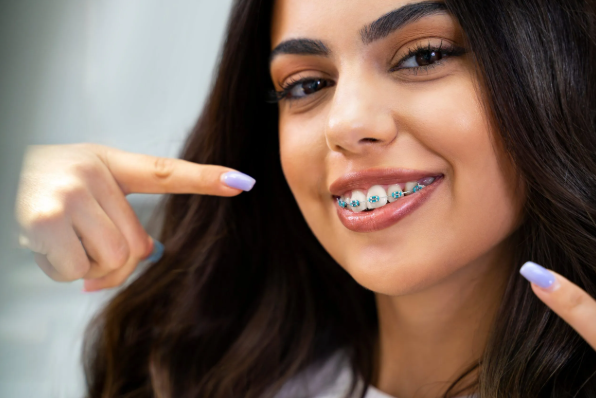
Why Adult Orthodontics Is More Popular Than Ever

You might be feeling a little self conscious every time you see your smile in photos, or maybe your teeth feel crowded, your bite feels “off,” and you are quietly wondering if you missed your chance to fix it years ago with dental braces in Burlington. At the same time, the idea of getting braces as an adult can feel awkward, expensive, and a bit overwhelming. You are not alone in that tug of war.end
More adults than ever are choosing orthodontic treatment. The American Association of Orthodontists has reported that the number of adults seeing an orthodontist is at an all time high, which means your worries and your curiosity are very common. In simple terms, the trend is this. Adults are deciding that their comfort, confidence, and oral health matter at every age, not just during the teenage years.
This growing shift toward adult orthodontic treatment is driven by three things. Better and more discreet treatment options, a stronger understanding of oral health, and a deeper desire to feel at ease in your own skin. You may still have doubts, and that is completely reasonable. The goal here is not to push you into a decision. It is to give you clear information so you can decide if now is the right time for you.
Why are so many adults quietly rethinking their smiles?
For many people, it starts in small, everyday moments. You turn your head a certain way on video calls because you do not like your profile. You avoid smiling wide in group photos. You may even chew on one side of your mouth because your bite feels uneven. None of this feels like an emergency, yet it slowly wears on your confidence and comfort.
On top of that, life as an adult is already full. You may worry about how orthodontic treatment would affect your work, your budget, or your family routine. You might wonder if you are “too old,” or fear being judged for having braces later in life. Because of this tension, you might keep putting the decision off, even though the thought of a straighter, more comfortable smile keeps coming back.
At the same time, the world around you has changed. Clear aligners, tooth colored brackets, and shorter, more efficient treatments are now common. Many adults have realized that treatment is not only about looks. Modern research connects misaligned teeth with problems such as gum disease, tooth wear, jaw pain, and even headaches. That makes your hesitation feel a bit heavier. You are not just thinking about appearance, you are wondering about your long term health too.
So where does that leave you? You are weighing embarrassment against relief, cost against value, and short term inconvenience against long term comfort. That is a smart and very human response. Understanding what is actually driving the rise in braces for adults can help you sort through the noise.
See also: Simple Daily Health Habits for a Better Life
What is really behind the rise of adult orthodontics?
One reason is simple. There are just more adults in treatment than ever before. The American Association of Orthodontists has reported a record high number of adults choosing orthodontic care, which reflects a clear shift in how people view treatment at later ages. Adults are no longer seeing orthodontics as something reserved for teenagers. They see it as part of overall self care.
Another reason is the range of choices. As people learn more about modern adult orthodontic options, including clear aligners and less noticeable braces, the fear of “a mouth full of metal” fades. That makes it easier to imagine treatment fitting into meetings, social events, and daily life without feeling exposed.
There is also a growing body of research that highlights the emotional side. Studies published in medical journals have shown that adults often seek treatment not only to improve function, but also to feel more confident and socially comfortable. When you feel you have to hide your smile, it can affect how you show up at work, on dates, and even with friends. Correcting that is not vanity. It is about feeling like yourself again.
Of course, there are very real concerns that hold people back. Cost can be significant, even with payment plans. Some adults worry about pain or about managing appointments with a busy schedule. Others had braces as teenagers and feel frustrated that their teeth shifted again. If that sounds familiar, it makes sense that you might feel a mix of hope and resentment at the idea of starting over.
Yet many adults who go ahead with treatment describe a different “after” than they expected. They talk about chewing more comfortably, fewer jaw aches, and feeling at ease in photos. They notice they are no longer thinking about their teeth all the time, which frees up mental space for other parts of life. That quiet, steady relief is a big reason why adult orthodontics is becoming more common.
How do the risks, benefits, and options compare for adults?
When you strip away the marketing and social pressure, the decision comes down to a few core questions. What are the benefits for you personally. What are the real risks of doing it, and of not doing it. Which type of treatment makes sense for your life right now.
The table below offers a simple comparison to help you think through some of the key points.
| Consideration | No Adult Treatment | DIY / Mail Order Aligners | In Office Orthodontist Care |
|---|---|---|---|
| Main appeal | No cost or time commitment | Convenience at home, lower upfront price | Supervision, customized plan, broader treatment options |
| Appearance concerns | Crooked or crowded teeth may stay the same or worsen | May improve mild crowding if case is suitable | Designed to address simple to complex issues, cosmetic and functional |
| Oral health impact | Higher risk of wear, gum issues, and bite problems over time | Limited ability to correct bite. Difficult cases may be unmanaged | Can address bite, alignment, and function with ongoing checks |
| Safety and oversight | No treatment risks, but issues may go unchecked | Remote checks only. Less ability to adjust based on tooth and bone response | In person exams, X rays, and adjustments to protect teeth and roots |
| Comfort and expectations | No adjustment discomfort, but ongoing bite or jaw discomfort may persist | Some improvement possible, but results may not match expectations | Discomfort managed and monitored. Clear discussion of realistic outcomes |
| Long term value | Lower short term cost, higher risk of future dental work | May need retreatment if results are incomplete | Designed for stable result, with retainers and follow up guidance |
So, what does this mean for you. It means that choosing professional orthodontic care as an adult is not about being “extra” or chasing perfection. It is about weighing your current discomfort against the stability, health, and confidence you could gain with the right support.
What can you do right now if you are on the fence?
Feeling torn is normal. You do not have to decide everything today. You can start with a few grounded, low pressure steps that move you from worry into clarity.
1. Get a professional opinion, even if you are not ready to commit
A consultation is information, not a contract. An orthodontist can examine your teeth, bite, and jaw, explain what is happening now, and what is likely to happen if you do nothing. This is your chance to ask about options such as clear aligners, ceramic braces, or other adult focused treatments. You can also ask how your medical history or past dental work might affect your choices.
Look for someone who listens first, then explains in plain language. You should feel free to say, “I am just gathering information right now.” A good clinician will respect that.
2. Ask specific questions about adult focused treatment plans
Adult orthodontics is not the same as teenage orthodontics. Your teeth, bone, and gums may respond differently, and you may have crowns, veneers, or previous extractions to consider. During your visit, you can ask questions such as.
How long would treatment likely take for me. What are the pros and cons of each option in my case. How will this affect my speech, my work, and my daily routine. What can we do to protect my gums and existing dental work during treatment.
There are helpful resources created specifically for adults who are thinking about treatment, including educational materials on adult orthodontic care. Using these can help you prepare your questions and feel more steady going into a consultation.
3. Weigh emotional, health, and financial factors together
It is natural to focus on cost first, yet cost is only one part of the picture. You can think in three columns. How does my smile affect my daily confidence and comfort. What are the possible long term health benefits of correcting my bite and alignment. What financial options exist, such as payment plans, insurance coverage, or using health savings accounts.
Research on adult orthodontic treatment has found that many patients report higher quality of life after treatment, both emotionally and functionally. Studies have shown improvements in self image and oral comfort, which suggests that the value is not just cosmetic. Balancing that against the financial commitment can help you make a choice that feels grounded rather than rushed.
Choosing your own “after” with adult orthodontics
You may still feel unsure, and that is okay. What matters is that you now understand why adult braces and aligners are becoming more common, and that your questions are valid. You are not “too late.” You are not being shallow. You are a person who wants to feel comfortable, healthy, and confident when you smile, speak, and eat.
The next step does not have to be dramatic. It can be as simple as scheduling a consultation, writing down your questions, or talking openly with someone you trust about how your teeth make you feel. Whatever you choose, you are allowed to take this seriously.
Your smile has been with you through a lot. If you are ready to explore how orthodontic treatment could support you now, you have more options, more information, and more support than adults did even a few years ago. You deserve care that respects your age, your life, and your goals, one thoughtful step at a time.