The Role Of Preventive Dentistry In Improving Smile Aesthetics Over Time

You might be looking in the mirror and noticing small changes in your smile that you did not see a few years ago. Maybe your teeth look a little more yellow, your gums a bit uneven, or that tiny chip in your front tooth suddenly feels huge in every photo. You are not alone in feeling frustrated or even a little embarrassed when your smile no longer matches how you feel on the inside. A dentist in Buffalo Grove, IL can help you explore options to restore the confidence you once had in your smile.
At the same time, you might also be thinking, “I do not want a long list of expensive cosmetic treatments. I just want to keep things from getting worse and, if possible, gently make them better over time.” That is exactly where the role of preventive dentistry in improving smile aesthetics over time comes in. It is not about quick fixes. It is about quiet, steady protection that keeps your smile looking healthy, natural, and confident year after year.
So where does that leave you today. There is good news. With the right daily habits and regular care from a trusted family and cosmetic dentist, you can protect the look of your teeth, avoid many future problems, and often improve your smile in small but meaningful ways, without feeling overwhelmed or pushed into treatments you do not want.
Why does your smile seem to change so quickly over the years?
It usually does not start with a crisis. It starts with little things. You skip a cleaning because life is hectic. You brush, but maybe not as carefully at night. Coffee, tea, or red wine become part of your routine. One day, you notice your teeth just do not look as bright or as smooth as they used to.
On top of that, you may have some guilt. You know you “should” floss more. You suspect that you waited too long to see a dentist. Maybe you worry that you will be judged when you finally sit in the chair. That worry alone can delay visits even more, and the cycle continues.
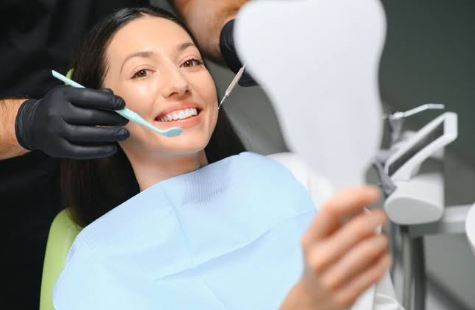
Because of this tension, you might wonder whether it is too late. You might think preventive care is only for people with perfect teeth. That is not true. Preventive dentistry is designed for real people with real lives, including missed appointments and less than perfect habits. It focuses on stopping small problems before they turn into big ones, which affects not just your health, but also how your smile looks.
According to the Centers for Disease Control and Prevention, untreated cavities and gum disease are still extremely common, yet they are largely preventable. When those issues are controlled early, your smile ages more slowly. Your gums stay fuller and pinker. Your teeth stay more even and less stained. The cosmetic benefit is not a bonus. It is built into good prevention.
See also: How Accounting Firms Build Strategies Around Risk Management
How does preventive care quietly shape a better looking smile?
To understand how preventive dental care for long term smile beauty works, it helps to picture two different timelines.
In the first timeline, you try to “wait it out.” You only visit a dentist when something hurts or breaks. Small stains become deep discoloration. Minor gum irritation turns into gum recession, which makes teeth look longer and older. Tiny cracks or chips turn into bigger fractures that need crowns or even extractions. The cost, both emotional and financial, rises sharply.
In the second timeline, you treat preventive visits like you would a regular oil change for your car. Every 6 months, your dentist checks for early signs of wear, decay, or gum irritation. Surface stains are polished away before they become stubborn. Plaque and tartar are removed from spots your toothbrush and floss cannot reach. The result is that problems move more slowly, and many never fully develop at all. Your smile looks cleaner and more even, not because of a single big cosmetic procedure, but because it never had the chance to deteriorate.
Here is where a family and cosmetic dentist makes a difference. Preventive care and cosmetic goals are not separate. They are deeply connected. For example:
- Regular cleanings reduce surface stains, so your teeth look naturally whiter without whitening products.
- Healthy gums frame your teeth better, so your smile looks more balanced in photos.
- Early repair of small chips or worn edges can prevent larger fractures and keep your front teeth looking smooth and aligned.
The National Institute of Dental and Craniofacial Research emphasizes daily brushing, flossing, and professional care as the foundation of oral health. That same foundation also protects the appearance of your smile. You do not have to choose between “health” and “looks.” The same habits support both.
Is preventive dentistry really more affordable and effective than waiting?
It is very common to worry about cost. You might feel torn between taking care of your teeth and paying other bills. That stress is real. The challenge is that avoiding routine care often leads to emergency care, which is usually more expensive and more disruptive.
To give you a clearer picture, here is a simple comparison of short term and long term effects when you skip preventive care versus staying consistent with it.
| Approach | Short Term Experience | Long Term Smile Aesthetics | Typical Cost Pattern |
|---|---|---|---|
| Skipping preventive checkups and cleanings | Less time in the chair at first. No immediate bills. | More staining, visible tartar, gum recession, uneven edges, higher risk of tooth loss. | Lower costs now, higher sudden expenses later for fillings, crowns, root canals, or implants. |
| Regular preventive visits with a family and cosmetic dentist | Small, predictable appointments. Mild short term cost. | Teeth stay brighter and smoother, gums stay fuller, fewer visible defects, slower aging of your smile. | Steady, manageable costs, fewer emergencies, less need for extensive cosmetic work. |
The World Health Organization notes that untreated oral diseases can lead to pain, tooth loss, and reduced quality of life. Those same conditions often show up first in how your smile looks. Preventive care is not only about avoiding pain. It is also about preserving your confidence when you talk, laugh, or take photos.
What can you start doing today to protect and improve your smile?
You do not have to change everything overnight. Small, steady steps can have a powerful effect when it comes to preventive care for a beautiful smile. Here are three practical actions you can start now.
1. Build a simple, realistic home routine
Perfection is not the goal. Consistency is. Aim for:
- Brushing twice a day with fluoride toothpaste for at least two minutes.
- Flossing once a day, even if it is just at night to start.
- Rinsing with water after coffee, tea, soda, or wine to reduce staining and acid exposure.
If you struggle with motivation, connect your routine to something you already do. For example, floss right after your evening shower, or brush as soon as you clear the dinner dishes. The easier it fits into your life, the more likely you are to keep doing it.
2. Schedule regular visits with a family and cosmetic dentist
Even if it has been years since your last appointment, you can start fresh. Choose a dentist who offers both family and cosmetic services. That way, they can watch for early changes that affect how your smile looks, not just whether something hurts.
Ask for a gentle, judgment free exam and cleaning. Share your main worries, for example “I am mostly concerned about my front teeth looking worn” or “I just want to avoid bigger problems down the road.” A supportive dental team will use that information to create a simple plan that respects both your budget and your comfort level.
3. Make small preventive upgrades instead of big reactive treatments
If you are not ready for major cosmetic work, there are still small preventive choices that protect your smile’s appearance.
- Consider fluoride treatments or sealants if recommended, especially if you get cavities often.
- Ask about smoothing or bonding tiny chips or rough edges before they worsen.
- Talk about gentle cleaning options if you have sensitive teeth or anxiety, so you do not avoid appointments.
These small steps can delay or even avoid the need for more involved cosmetic procedures later. Over time, your smile looks well cared for, not over treated.
Moving forward with more confidence and less pressure
If you have been feeling discouraged about your teeth, it is understandable. It can be hard to face the mirror when you feel your smile does not reflect who you are. Yet every day you choose even one preventive step, you are quietly changing the direction of your smile’s story.
You do not need a perfect past to have a better future for your teeth. You just need a plan that respects your life, your limits, and your goals. Preventive dentistry is that steady partner in the background, protecting your health while gently supporting the way you want your smile to look over time.
The next small step is yours. Even a single phone call to schedule a checkup, or a simple decision to floss tonight, can start shifting things. Your smile is not a lost cause. It is a work in progress, and you still have more control than you might feel right now.