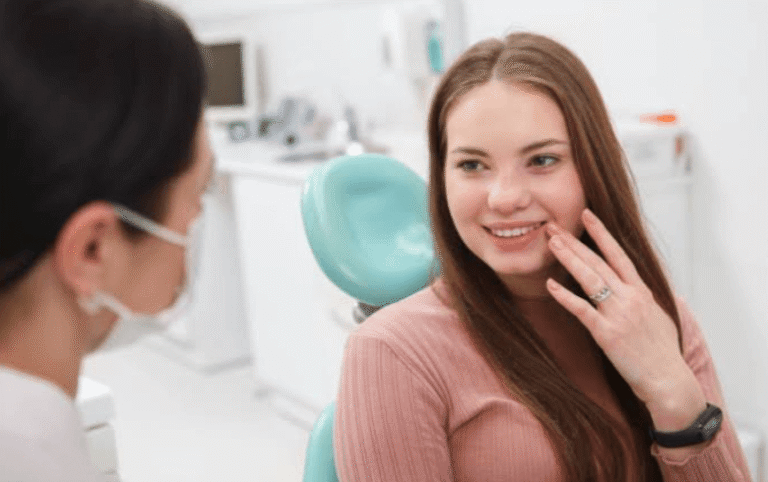
How Family Dentists Make Dental Visits Less Stressful For Children

You know the feeling. The appointment is on the calendar, your child starts asking worried questions, and you are already bracing for tears in the waiting room or a struggle once they sit in the chair. For many parents, a dental visit is not just a quick errand, and conversations about oral health, including dental implants in Jonesboro, can shape how a child feels about oral care for years.
That is why family dentists make dental visits less stressful for children in ways that go far beyond checking teeth. The right approach helps children feel safe, gives parents a clearer plan, and turns routine care into something manageable instead of overwhelming. A good family dental practice for kids pays attention to comfort, pacing, language, and trust, because stress in the chair often starts long before the exam begins.
Children react to the dental office long before treatment starts
Children do not usually fear cleanings because they have weighed the pros and cons. They react to unfamiliar sounds, bright lights, new faces, and the sense that something is about to happen to them. If they have had one hard medical visit, or if they pick up on your own nerves, that tension can show up fast.
Family dentists often reduce that pressure by building familiarity. They see children and adults in the same setting, which can make the office feel more normal and less clinical. A child who watches a parent get a routine exam may read the room differently. This place starts to feel like part of family care, not a space where scary things happen.
The way the dentist and team speak matters just as much. Children respond to calm words, simple explanations, and a slower pace. According to the American Academy of Pediatric Dentistry, behavior guidance is a core part of helping children cope during dental care, including communication techniques that support trust and cooperation. You can see that guidance in the AAPD’s behavior recommendations for pediatric dental patients.
Stress grows when children feel rushed, confused, or out of control
A hard visit often follows a pattern. A child does not know what to expect, hears words that sound threatening, senses the adults want quick compliance, and then shuts down. Once that happens, even a simple exam can turn into a long, emotional experience.
Family dentists work against that pattern by giving children more predictability. They may explain each step in child-friendly language, show instruments before using them, or offer breaks during treatment. This is not about spoiling a child. It is about lowering the threat level enough for the child’s body to settle.
Parents need support too. If your child cries easily or has sensory challenges, you may worry that the office will judge you. A family dentist who is used to treating children usually sees the bigger picture. They know one rough visit does not define your child, and they can help you plan around common triggers such as hunger, missed naps, or overstimulation.
That support matters because early dental care is not optional. The National Institute of Dental and Craniofacial Research has highlighted the push to increase access and support for pediatric dental visits through medical and community care systems. Their update on increased support for pediatric dental visits reflects how strongly early care affects long-term oral health.
Family dental care helps children build safer habits and better memories
When visits feel calmer, children are more likely to return without dread. That has a direct effect on prevention. A child who gets regular cleanings and early guidance has a better chance of avoiding tooth pain, urgent treatment, and the cycle where every visit feels tied to discomfort.
The Centers for Disease Control and Prevention shares practical oral health tips for children, including brushing, flossing, healthy eating, and regular dental visits. Those daily habits matter, but they are easier to keep up when the child’s experience at the dentist is steady and not loaded with fear.
This is where a children-friendly dentist and a general family dentist often overlap in a useful way. The goal is not just treatment. It is helping your child connect dental care with safety, routine, and trust.
Small differences in approach can change the entire appointment
| Approach | What the Child Often Feels | Likely Result |
| Rushed intake and little explanation | Confused, cornered, tense | Resistance, crying, trouble completing the visit |
| Child-friendly language and step-by-step guidance | More prepared and less startled | Better cooperation during exams and cleanings |
| No attention to timing, hunger, or sensory triggers | Overwhelmed before treatment starts | Stress rises quickly, even for simple care |
| Flexible pacing with breaks and reassurance | Safer and more in control | More positive memory of the visit |
| Care only when pain appears | Associates the dentist with discomfort | Greater fear and more complex treatment later |
| Regular preventive visits | Familiarity with the office and team | Lower anxiety over time and healthier habits |
Parents can lower dental stress before the appointment even begins
Choose your words carefully. Avoid telling your child that nothing will hurt or that they have to be brave. Those phrases can backfire. Use simple, neutral language instead. Say the dentist will count teeth, clean them, and help keep the mouth healthy. Calm facts usually land better than big promises.
Schedule around your child’s real limits. Morning appointments often work better for younger children who tire easily. If your child struggles with transitions, build in extra time so you are not walking in rushed and flustered. Bring one comfort item if it helps. A smoother start changes the tone of the whole visit.
Tell the dental team what your child needs. Share anything that may affect the visit, including sensory issues, fear after a past appointment, trouble with loud sounds, or difficulty sitting still. This gives the office a chance to adjust their approach instead of reacting in the moment.
Steady, gentle dental care gives children a better start
You are not overreacting if dental visits feel hard. Many children need time, patience, and the right environment before they can settle into routine care. The good news is that the right family dentist can turn a stressful pattern into a workable one, and that change often starts with small, thoughtful choices that help your child feel safe. Reach out to schedule a visit when you are ready to make dental care easier for your child and your family.