Common Mistakes To Avoid When Packing

Packing seems straight forward enough – put things in boxes, tape them up, and move them. But anyone who has arrived at a new home to find shattered crockery, crushed keepsakes, or a mountain of unlabelled boxes knows the reality is quite different. Poor packing is one of the leading causes of damage, stress, and wasted time during a move. Avoiding these common mistakes can make all the difference between a smooth relocation and a chaotic one.
1. Starting Too Late
Procrastination is the enemy of a well-organised move. Most people dramatically underestimate how long packing actually takes – especially when you factor in sorting, decluttering, wrapping fragile items, and sourcing enough supplies.
Starting at least three to four weeks before your moving date gives you time to work through your home methodically, room by room, without the panic of a looming deadline. Begin with items you use least frequently – seasonal clothing, spare linen, rarely used kitchen gadgets – and work your way toward everyday essentials as moving day approaches.
2. Using Low-Quality Packing Materials
Flimsy boxes, thin tape, and inadequate padding are a recipe for disaster. Cheap boxes buckle under weight, weak tape peels loose, and insufficient cushioning leaves fragile items vulnerable to every bump in transit.
Invest in sturdy double-walled cardboard boxes, heavy-duty packing tape, and proper bubble wrap or packing paper. It costs a little more upfront but will save you far more in damaged or broken belongings. If you’re hiring a removalist, many professional companies including Butler’s Removals & Storage – can supply quality packing materials or offer full packing services, taking the guesswork out of the process entirely.
3. Overpacking Boxes
It’s tempting to fill every box to the brim to reduce the total number of boxes you need. But overpacked boxes are dangerous – they’re difficult to carry safely, they strain at the seams, and they dramatically increase the risk of breakage for anything inside.
A good rule of thumb: boxes containing heavy items like books or kitchenware should be kept small and manageable. Lighter items such as pillows, linen, and soft furnishings can go in larger boxes. No box should exceed around 20 to 25 kilograms. If you can’t comfortably lift it from the ground, it’s too heavy.
4. Failing to Wrap Items Individually
Placing fragile items together in a box without individual wrapping is one of the most common – and costly packing mistakes. Even with padding around the edges, unwrapped items shift during transit and knock against each other, leading to chips, cracks, and breakage.
Every glass, plate, ornament, and delicate object should be wrapped separately in bubble wrap or packing paper before being placed in a cushioned box. Stand plates vertically rather than stacking them flat, and always fill any gaps with crumpled paper to prevent movement inside the box.
5. Not Labelling Boxes Clearly
Unlabelled boxes are a frustrating mystery when you arrive at your new home exhausted and ready to unpack. Without clear labelling, you’ll find yourself tearing through box after box just to find a single item you need urgently.
Label every box on at least two sides not just the top with the room it belongs to and a brief description of its contents. Mark boxes containing fragile items clearly and visibly. Better still, number your boxes and maintain a simple inventory list so you always know exactly what’s in each one and where it belongs.
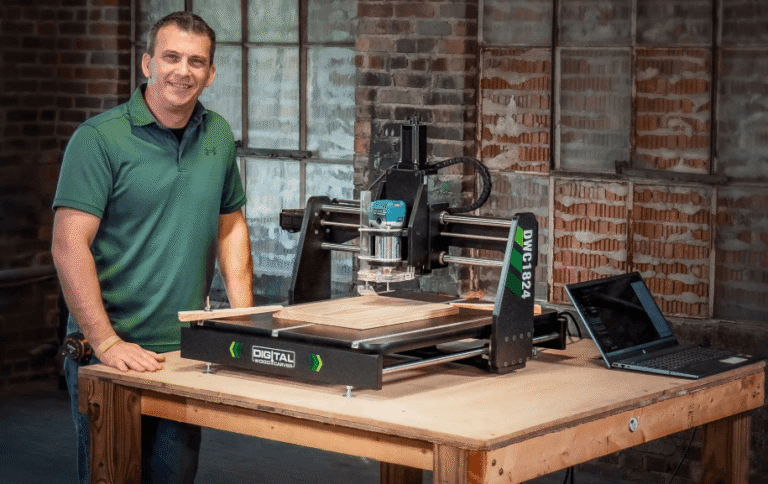
See also: Affordable Lithography Printing Services and Desktop Woodworking CNC Routers
6. Forgetting to Protect Furniture
Boxes aren’t the only things that need protection during a move. Furniture is highly susceptible to scratches, dents, and scuffs when pieces knock against each other in a moving vehicle.
Wrap furniture corners, legs, and glass surfaces in bubble wrap or moving blankets. Use stretch wrap to keep drawers shut and protect upholstered surfaces. Disassemble what you can – bed frames, shelving units, and dining tables – to reduce bulk and minimise the risk of damage during loading and transit.
7. Trying to Do Everything Yourself
Perhaps the biggest mistake of all is assuming you can – or should – manage the entire move alone. Packing an entire household is physically demanding, time-consuming, and stressful. The risk of injury from lifting heavy items improperly is real, and the risk of damage from inexperienced packing is equally significant.
Hiring a removalist is not an indulgence – it’s a practical investment in protecting your belongings and your wellbeing. Butler’s Removals & Storage offers professional packing services, careful handling, and decades of experience to ensure your move runs smoothly from start to finish. Their team brings the expertise, equipment, and materials to handle everything from everyday furniture to delicate valuables with the same level of care.
Final Thoughts
Avoiding these seven mistakes won’t just protect your belongings – it will dramatically reduce the stress that so often accompanies moving. Plan early, pack smart, label thoroughly, and never underestimate the value of professional help when you need it. Your future self, unpacking neatly labelled boxes in a new home, will be very glad you did.