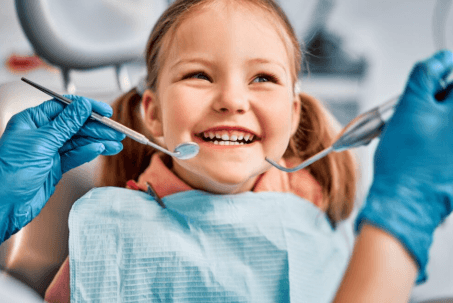
How Family Dentists Help Parents Respond To Tooth Sensitivity In Children

It often starts small. Your child winces when drinking cold milk, avoids ice cream they usually love, or says their tooth “feels funny” when brushing. You notice it, then you start running through possibilities in your head. Is it a cavity, a chipped tooth, grinding, or just a passing complaint? That uncertainty is hard, especially when your child cannot always explain what hurts or when it started. If you are concerned, visiting a dentist in New Smyrna Beach can help you understand what is causing the discomfort.
Tooth sensitivity in children is easy to brush off at first, but it can point to problems that need attention. Sometimes the cause is mild and easy to fix. Sometimes it is decay, enamel wear, a crack, or gum irritation. A family dentist helps narrow that down quickly, eases your child’s discomfort, and helps you avoid letting a small issue turn into a painful one. How Family Dentists Help Parents Respond To Tooth Sensitivity In Children comes down to three things: finding the cause, treating it early, and giving you a clear plan for home care.
Children’s tooth sensitivity usually has a cause worth checking
Sensitive teeth in kids are not always dramatic. A child may chew on one side, stop eating crunchy foods, or resist brushing near one area. Some children say very little and just change their habits. That is where parents often feel stuck. You can see something is off, but you cannot tell if it is serious.
Common causes include cavities, enamel erosion, cracks from falls or sports injuries, teeth grinding, loose baby teeth, and irritation around erupting permanent teeth. The Centers for Disease Control and Prevention explains that cavities are one of the most common chronic diseases of childhood, and untreated decay can lead to pain, infection, and trouble eating or speaking. You can read more from the CDC about cavities and tooth decay.
The stress for parents is not only the pain itself. It is the timing, the cost worry, the fear of hearing your child needs a filling, and the guilt that creeps in even when you have been doing your best. That feeling is common. Children can develop sensitivity even in homes with strong brushing habits, because diet, enamel strength, bite issues, and normal childhood accidents all play a part.
A family dentist for children’s tooth pain looks beyond the complaint of “it hurts when it’s cold.” They check where the sensitivity happens, how long it lasts, whether one tooth or several are involved, and whether there are signs of decay, trauma, gum recession, or grinding. That kind of focused exam matters because different causes need very different solutions.
Family dental care helps parents respond before sensitivity gets worse
When sensitivity is ignored, children often adapt in ways that create bigger problems. They may stop brushing one area well because it stings. Plaque builds up, which raises the risk of decay and gum irritation. They may avoid certain foods and start chewing unevenly. If the source is a cavity or crack, the pain can move from brief sensitivity to constant aching.
This is where family dental care becomes practical, not just routine. A family dentist can tell the difference between discomfort from a loose baby tooth and pain from enamel damage. They may recommend fluoride treatment, a filling, sealants, a nightguard if grinding is part of the issue, or changes to brushing technique and toothpaste. In some cases, the answer is as simple as switching from a hard-bristled brush to a soft one and using a child-safe toothpaste made for sensitivity.
There is also a timing issue. Children’s mouths change fast. A spot that seems minor during one week can worsen quickly if bacteria are involved. MedlinePlus offers a helpful overview of children’s dental health, including habits that support healthy teeth and gums as kids grow.
Parents also need reassurance about what sensitivity does and does not mean. Some kids have short-term tenderness when permanent teeth erupt or after losing a baby tooth. Others have sensitivity after whitening products meant for adults were used by mistake, after acidic drinks wore down enamel, or after a blow to the mouth during play. The University of Alabama at Birmingham outlines several reasons teeth can become sensitive, including enamel wear, decay, and gum changes, in this guide on why teeth suddenly feel sensitive.
Home monitoring and a family dentist visit are not equal responses
| Situation | Watch at Home | Call a Family Dentist |
| Mild sensitivity for a day after losing a baby tooth | Reasonable if it improves quickly and there is no swelling | If pain lasts more than a couple of days or worsens |
| Pain with cold drinks in one specific tooth | Monitor briefly, avoid extremes in temperature | Yes, because a cavity or crack may be present |
| Pain when brushing one area | Use a soft brush and gentle pressure | Yes, if brushing is still painful or the child avoids that area |
| Sensitivity after a fall or sports injury | Do not rely on home monitoring alone | Yes, prompt exam recommended even if the tooth looks normal |
| Swelling, fever, or pain that wakes the child | No | Yes, urgent dental care is needed |
A parent can do a lot at home, but home care has limits. If the pain is tied to one tooth, keeps returning, or changes how your child eats or brushes, professional evaluation usually saves time, stress, and money in the long run.
Parents can take clear steps when a child has sensitive teeth
1. Track the pattern. Notice what triggers the pain. Cold foods, sweets, brushing, biting down, or one side of the mouth all give useful clues. Write down when it started and whether there was a recent fall, illness, or change in toothpaste. That information helps a family dentist find the cause faster.
2. Reduce irritation at home. Switch to a soft-bristled toothbrush, help your child brush gently, and pause very cold, very hot, or highly acidic foods for a few days. Do not place aspirin on the tooth or try adult dental products without guidance. If your child grinds their teeth at night, mention it during the appointment.
3. Schedule a dental exam when the pain repeats. If sensitivity happens more than once, centers on one tooth, or affects eating and brushing, do not wait for it to become severe. A family dentist can check for decay, enamel loss, bite issues, or injury and recommend treatment that fits your child’s age and stage of development.
See also: 4 Ways CPAs Protect Businesses During Financial Audits
Early support from a family dentist protects your child’s comfort
When your child says a tooth hurts, you do not need to guess your way through it. Sensitivity can be minor, but it can also be the first sign that something needs care. A family dentist gives you a clearer answer, a calmer plan, and a better chance of stopping pain before it grows into a bigger problem.
If your child has ongoing sensitivity, pain with cold foods, or a tooth that seems different after an injury, reach out to a family dentist and get it checked soon.