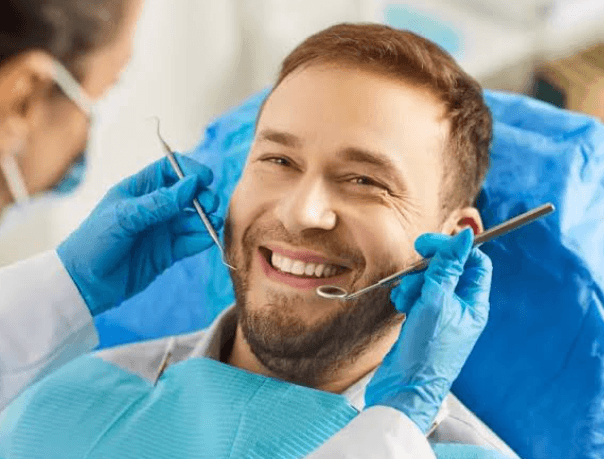
The Role Of Preventive Dentistry In Supporting Family Wellness

You already have enough to keep track of. School forms, work deadlines, meals, bedtime, sports, sick days. Dental care can slip into the category of “we’ll deal with it if something hurts,” and that usually feels practical until a small problem turns into an expensive, stressful one. That is where preventive care changes the picture. It keeps routine oral health issues from growing into pain, missed school, missed work, and treatment your family did not plan for. As a dentist servicing Littlestown, Hanover, and Gettysburg, PA, we help families stay ahead of those problems with consistent preventive care.
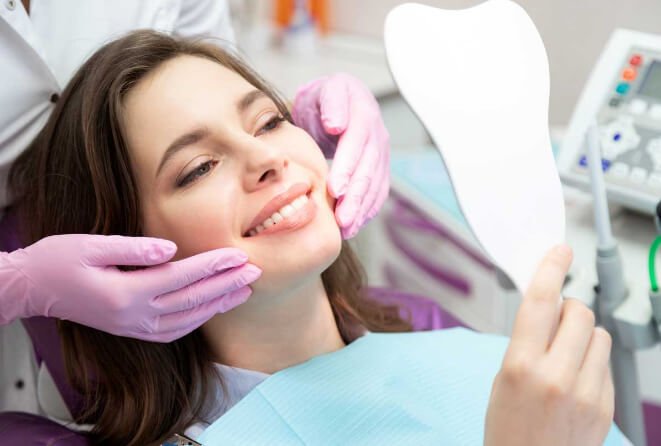
The role of preventive dentistry in supporting family wellness is simple. It lowers risk, catches problems early, and helps every member of your household keep a healthier mouth with less disruption. A trusted family dentist does more than clean teeth. They help build habits, track changes over time, and guide care that fits real life.
Preventive dentistry supports family health beyond the mouth
When one person in the family has a toothache, everyone feels it. Sleep gets disrupted, meals become harder, and schedules shift fast. Children may struggle to eat or focus in class. Adults may put off work or avoid certain foods because of pain or sensitivity. Oral health problems rarely stay contained to the mouth. They affect comfort, confidence, and daily routine.
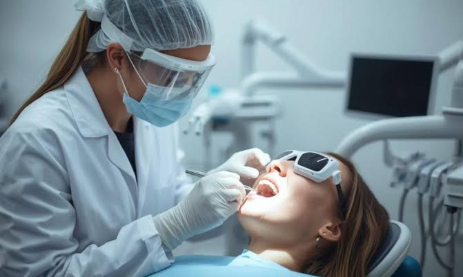
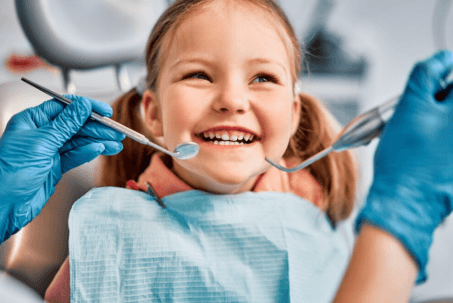
That is why family preventive dental care matters. Regular exams, cleanings, fluoride treatments when needed, sealants for children, and home care guidance can reduce cavities and gum disease before they become serious. The Centers for Disease Control and Prevention offers practical oral health tips for children that support these visits, especially for building strong habits early.
Children often need help with brushing longer than parents expect. Adults often assume bleeding gums are normal when they are usually a sign that the tissue needs attention. Small blind spots like these are common, and they are exactly why preventive visits help. A family dentist can spot patterns you may miss at home, then give clear steps that actually fit your routine.
Preventive dental care reduces stress, cost, and avoidable treatment
Most families do not ignore dental care on purpose. Life gets busy, and if no one is in pain, it is easy to delay. The problem is that cavities and gum disease often start quietly. Early tooth decay may not hurt. Gum inflammation may show up as occasional bleeding when brushing, then disappear enough to seem harmless. Months later, that same issue can need fillings, deeper cleaning, or treatment that costs more and takes more time.
Think about the difference between a child getting a sealant on a back tooth and that same tooth later needing a filling because food and bacteria settled into deep grooves. Or an adult skipping cleanings for a few years, then learning that tartar buildup and gum disease are causing recession and sensitivity. These are common situations, not rare ones.
The American Dental Association shares clear guidance on home oral care, and that matters because prevention does not happen only in the dental chair. Daily brushing with fluoride toothpaste, cleaning between teeth, and replacing worn toothbrushes can do a lot of work between visits. Professional care adds another layer by removing hardened buildup and checking for issues that home care cannot fully manage.
A family dentist helps tailor prevention for every age
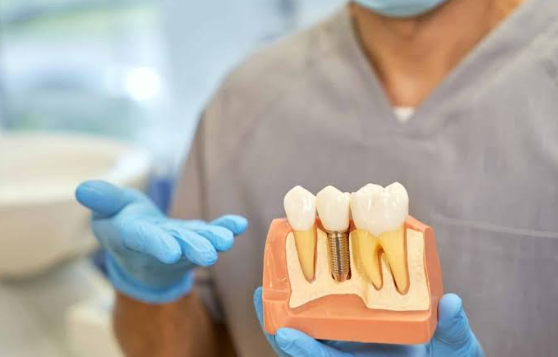
One of the biggest strengths of seeing a family dentist is continuity. A toddler, a teenager with braces, a parent with stress grinding, and a grandparent managing dry mouth do not need the same care plan. They need care that matches their age, habits, health history, and risk level.
Children may need reminders about technique and sugar exposure. Teens may need support around sports mouthguards, wisdom teeth, or orthodontic hygiene. Adults may need help managing gum health, clenching, or changes linked to pregnancy, medication, or chronic conditions. The CDC also provides useful oral health tips for adults that reinforce these age specific concerns.
Preventive oral care for families works best when it is not one size fits all. A family dentist can adjust advice in ways that feel manageable instead of idealized. That practical fit is often what makes habits stick.
Daily care and professional preventive dentistry work better together
| Approach | What It Helps With | Limits |
|---|---|---|
| Home brushing and flossing | Removes daily plaque, freshens breath, lowers cavity and gum risk | Cannot remove hardened tartar, technique is often inconsistent |
| Healthy food and drink choices | Reduces frequent sugar exposure and enamel wear | Does not detect hidden decay or gum changes |
| Routine dental exams and cleanings | Finds early problems, removes tartar, tracks changes over time | Works best when paired with steady home care |
| Sealants and fluoride when advised | Adds protection for cavity prone teeth and weaker enamel | Needs professional evaluation and follow up |
The point is not choosing one or the other. Home care handles the daily load. Professional prevention catches what slips through. Families usually do best when both are consistent, even if the routine is simple.
Small preventive steps create steadier family wellness
Set one shared routine. Pick brushing times your household can actually keep, usually morning and bedtime. For younger children, supervise longer than you think you need to. For older kids, check in instead of assuming it is handled. Consistency beats perfection.
Watch for early signs instead of waiting for pain. Bleeding gums, sensitivity, white spots on teeth, bad breath that lingers, chewing on one side, or avoiding cold foods can all signal a problem starting. These signs are easier to address early than later.
Schedule preventive visits before there is a problem. Put everyone’s dental appointments on the calendar the same way you handle school physicals or eye exams. A family dentist can help simplify scheduling, keep records in one place, and reduce the chance that someone gets overlooked.
See also: How Custom Apparel Businesses Scale with DTF Transfers
Preventive dentistry gives families more stability
Good prevention does not ask your family to be perfect. It asks for steady habits, regular checkups, and attention before discomfort turns into a crisis. That is the real value of preventive dentistry. It protects time, lowers avoidable costs, and supports comfort in everyday life.
If your family has fallen behind, you are not alone, and you do not need to fix everything at once. Start with a routine, book a visit with a family dentist, and build from there.