Endodontics and the Importance of Preserving Natural Teeth

You might be feeling that familiar mix of worry and confusion that comes when a tooth starts to hurt, especially when someone mentions a root canal and suggests seeing a dentist in Wichita Falls. One minute, it is a dull ache when you drink something cold. The next, you are wondering whether the tooth can be saved at all. That uncertainty can feel heavy, because tooth pain affects how you eat, sleep, work, and even how easily you smile. The good news is that endodontics and the importance of preserving natural teeth go hand in hand. In many cases, treatment inside the tooth can stop pain, clear infection, and help you keep the tooth you already have.
That matters more than many people realize. When a natural tooth can be preserved, it often helps protect your bite, supports normal chewing, and may prevent the extra cost and time that can come with removing and replacing a tooth. So, where does that leave you if you have been told you may need treatment?
Why does preserving a natural tooth matter so much?
Your natural teeth are designed to work together. Each one helps guide your bite and share chewing pressure. When one is lost, nearby teeth can shift, your bite can change, and simple things like eating crunchy foods may become less comfortable. Because of this, saving a tooth is not only about avoiding extraction. It is also about protecting the balance of your whole mouth.
This is where root canal treatment often enters the picture. Endodontic care focuses on the soft tissue inside the tooth, called the pulp. If that tissue becomes inflamed or infected because of deep decay, a crack, or repeated dental work, the pain can be intense. Without treatment, the infection may spread, and the tooth may become harder to save.
If you want a clear overview of what a root canal involves, MedlinePlus offers a helpful explanation of how root canal treatment works. For many people, learning the steps takes away some of the fear, because the process is usually more routine and more comfortable than expected.
What happens if you wait too long to treat an infected tooth?
It is easy to delay care when life is busy or when you hope the pain will fade on its own. Sometimes it does ease for a while, which can be misleading. When the nerve inside the tooth begins to die, pain may lessen even though the infection is still there. That quiet period can create a false sense of relief.
Then the problem can return with more force. You might notice swelling, pressure when you bite, bad taste, or pain that wakes you up at night. In some cases, waiting means a tooth that could have been saved with endodontic therapy becomes a tooth that needs removal. That can lead to more appointments and more expense later.
Decay is often the starting point. If you are wondering how cavities progress and why early treatment matters, this MedlinePlus page on tooth decay explains it in plain language. Once decay reaches the inner part of the tooth, the chance of needing a root canal rises.
How does endodontic care compare with removing the tooth?
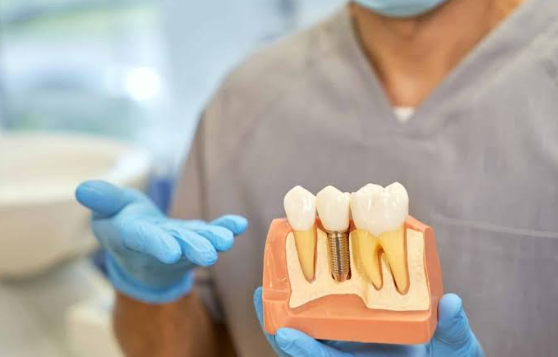
People often ask a fair question. If a tooth is badly damaged, why not just pull it? Sometimes extraction is the right choice, but it is not always the simplest one in the long run. Removing a tooth may solve the infection in that moment, yet it can create a new problem, which is the gap left behind. Replacing that tooth with a bridge, partial denture, or implant may take more time and money than saving the original tooth.
Here is a practical comparison that can help you weigh the options.
| Option | Main Benefit | Possible Drawback | Best Fit |
|---|---|---|---|
| Endodontic therapy with restoration | Preserves your natural tooth and normal bite | May require a crown after treatment | When the tooth structure is still restorable |
| Extraction only | Removes the infected tooth quickly | Leaves a gap that can affect chewing and tooth position | When the tooth cannot be saved |
| Extraction with replacement | Restores appearance and function after tooth loss | Often costs more and takes longer than saving the tooth | When removal is necessary and function must be rebuilt |
Research in this area keeps moving forward as well. The National Institute of Dental and Craniofacial Research has shared findings on new research related to root canal treatment and healing. That kind of work reflects something reassuring. Saving teeth remains an important goal in modern dentistry, and treatment methods continue to improve.
What can you do right now if you think you need endodontic treatment?
1. Pay attention to the warning signs.
Persistent tooth pain, sensitivity that lingers after hot or cold foods, swelling, tenderness when chewing, or a darkening tooth should not be ignored. Even mild symptoms can point to a deeper problem. If something feels off, trust that instinct.
2. Ask whether the tooth can be restored.
Not every painful tooth needs to be removed. Ask clear questions about the condition of the tooth, the chance of saving it, and what the final restoration may involve. A general dentist can often guide you through whether endodontic care is the right next step and what result you can expect.
3. Act before the problem gets larger.
Early care often means fewer complications. If the infection is treated before it spreads, you may avoid more severe pain, swelling, or bone loss around the tooth. Prompt treatment also gives you the best chance of preserving the natural structure that is still healthy.
See also: Why Small Businesses Shouldn’t DIY Their Taxes
Where does that leave you if you want relief and a long term solution?
If you have been worrying about a painful tooth, you are not overreacting, and you are not alone. Dental pain has a way of taking over your thoughts because it touches so many parts of daily life. Still, many teeth that seem hopeless at first can often be saved with the right care. That is why preserving natural teeth matters so much. It supports comfort, function, and confidence in a way that is hard to replace.
If you are dealing with symptoms that suggest infection or deep decay, take the next step and schedule an evaluation with a general dentist. Getting answers early can protect your tooth, ease your pain, and help you move forward with more peace of mind.