3 Cosmetic Dentistry Options That Improve Confidence Quickly

You might be feeling a little self conscious every time you smile, even if you do not talk about it out loud. Maybe you avoid photos, or you cover your mouth when you laugh, or you notice your eyes going straight to your teeth on every video call. It can feel frustrating, because this is not about vanity. It is about feeling like yourself in social moments, at work, and with the people you care about, and a dentist in Stony Plain AB can help you regain that confidence.
Because of that tension, you might wonder if there are any simple cosmetic dentistry options that actually work quickly, without turning your life upside down or draining your savings. The short answer is yes. There are three common approaches that can create visible changes in a short amount of time. Professional whitening, dental bonding, and porcelain veneers. Each has a different level of cost, durability, and commitment, and the right choice depends on your goals, your timeline, and your comfort level.
So the goal here is simple. Help you understand how these three cosmetic dentistry options can improve your confidence quickly, what they feel like in real life, and what to watch out for so you can make a calm, informed decision instead of a rushed one driven by embarrassment or pressure.
Why does your smile feel like such a big deal right now?
Maybe it started with one offhand comment about your teeth being “a little yellow” in a group photo. Or perhaps you chipped a front tooth on something as ordinary as a fork or a coffee mug, and now that tiny flaw is all you see in the mirror. Over time, you might begin to organize your life around hiding it. You choose certain angles, certain lighting, even certain people you feel safer around.
That constant awareness is tiring. You know it should not matter this much, yet it does. Confidence is tied closely to how you feel about your smile, and research consistently shows that people judge approachability and even professionalism based on teeth. That can feel unfair, but it is also human. So where does that leave you?
It leaves you with a choice. You can keep trying to ignore it, or you can look at a few targeted cosmetic options that can change how you feel about your smile relatively quickly. A caring family and cosmetic dentist will usually start with the least invasive, most conservative option, then build from there if you want more dramatic change.
Option 1: Can professional teeth whitening really work that fast?
Stained or yellow teeth are one of the most common reasons people seek cosmetic dentistry. Coffee, tea, red wine, smoking, and even certain medications can change the color of your teeth over time. Drugstore whitening strips or toothpaste can help a little, but they often lead to uneven results or sensitivity, and it can be hard to know what is actually safe.
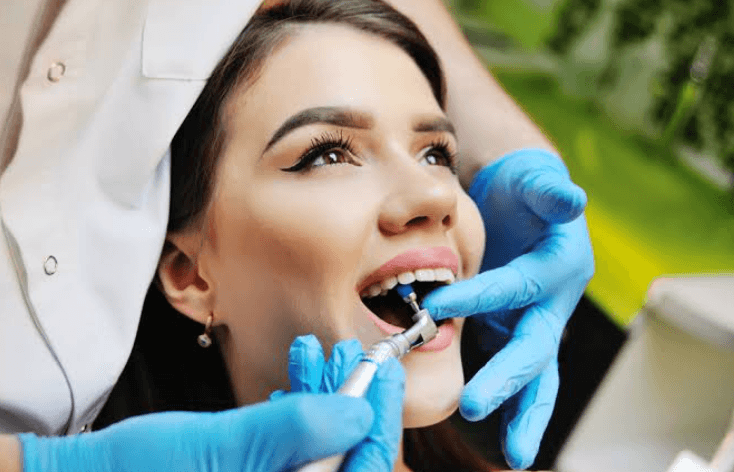
Professional whitening is designed to address that. In office whitening uses a higher strength gel, applied and monitored by a dentist, usually in a single visit that lasts about one to two hours. Many patients walk out with teeth that are several shades lighter. There are also custom take home trays that work over one to two weeks with more gradual change. If you are curious about safety and effectiveness, dental experts from the American Dental Association have weighed in on teeth whitening options and what to consider, which you can explore in more detail through this ADA discussion on whitening.
The emotional upside is quick. You see a change almost immediately, which can give you a mental lift before a big event or important meeting. The challenge is that whitening does not change the shape or position of your teeth. It also cannot fix internal discoloration from trauma or some medications. In those situations, you might need something more than whitening alone.
Option 2: Is bonding the “quiet fix” for chips and gaps?
Imagine you have a small chip on a front tooth, a short tooth that looks worn down, or a small gap that has always bothered you. You might feel that braces or veneers sound like too much for something “that small,” yet every time you see your reflection, your eyes go straight to that one area.
Dental bonding is often the quiet, efficient solution. The dentist uses a tooth colored resin, shapes it directly on your tooth, then hardens it with a curing light. There is usually little to no drilling, and in many cases you do not even need numbing. You walk in with a chipped or uneven tooth and walk out with a smoother, more even smile in a single appointment.
Bonding is usually more affordable than veneers and can last several years with good care. The tradeoff is that it is not as strong or stain resistant as porcelain. If you bite your nails, chew ice, or grind your teeth, bonding can chip or wear faster. Still, for many people who want fast cosmetic dentistry options that improve confidence quickly, bonding is a gentle starting point that respects both your budget and your time.
Option 3: Are veneers worth it when you want a bigger transformation?
Sometimes the concern is not just one chip or one stain. Maybe your teeth are slightly crooked, different lengths, or heavily discolored in a way whitening cannot fix. You may feel like your smile never quite matched who you are on the inside. In those situations, porcelain veneers can feel like a full reset.
Veneers are thin shells of porcelain that cover the front surface of your teeth. They can change color, shape, and even the apparent alignment of your smile. Treatment usually takes two to three visits. One for planning and preparation, one for impressions, and one for placement. Universities such as Tufts and Columbia even have dedicated cosmetic and esthetic dentistry clinics where patients can explore veneer options and other advanced treatments, such as the Esthetic Dentistry Clinic at Tufts and the Cosmetic Dentistry services at Columbia.
The emotional impact can be significant. Many patients report feeling like they finally recognize their smile in photos. The tradeoff is that veneers are usually the most expensive of these three options. They also involve altering the front surface of your natural teeth, which is a permanent change. That is why a thoughtful conversation with a cosmetic dentist is so important before choosing this route.
How do these three cosmetic options compare in real life?
When you are already stressed about your smile, trying to compare treatments on your own can feel overwhelming. A simple side by side view can help you sort out what fits your life right now.
| Treatment | Best for | Speed of visible results | Typical longevity | Relative cost | Key limitations |
|---|---|---|---|---|---|
| Professional Whitening | Staining or yellowing on otherwise healthy, well shaped teeth | Same day for in office. 1 to 2 weeks for take home trays | Several months to a few years, depending on habits | Lower | Does not change shape or position of teeth. Less effective for deep internal stains |
| Dental Bonding | Small chips, gaps, uneven edges, minor discoloration on specific teeth | Single visit for most cases | About 3 to 7 years, sometimes longer with good care | Moderate | More prone to staining and chipping than porcelain. May need periodic touch ups |
| Porcelain Veneers | Multiple concerns at once, such as shape, color, and slight misalignment | Usually within 2 to 3 visits over a few weeks | 10 to 15 years or more with proper care | Higher | Requires permanent alteration of tooth enamel. Irreversible and more costly |
Seeing the differences laid out this way can help you match your expectations. If you want the fastest change for an upcoming event, whitening or bonding might be enough. If you are looking for a long term transformation and are ready for a larger investment, veneers might feel more appropriate.
What can you do right now to move toward a smile you trust?
Knowing your options is helpful, but you might still wonder what to actually do next. Here are three steps that can move you from worry to action in a steady, manageable way.
1. Get clear on what bothers you most
Stand in front of a mirror in good light and take a calm look at your smile. Name the top one or two things that bother you. Color. Shape. Gaps. Chips. Try not to criticize yourself. You are gathering information, not judging. This helps your dentist focus on what matters most to you, rather than guessing or offering treatments you do not really want.
2. Schedule a cosmetic focused consultation
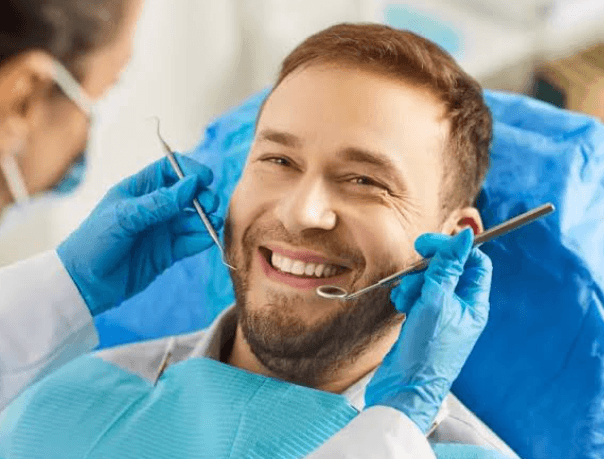
Not every checkup visit includes a detailed cosmetic conversation. Ask specifically for a consultation about cosmetic dentistry options and mention if you are hoping for results relatively quickly. A good dentist will examine your teeth, gums, and bite, then walk you through appropriate options like whitening, bonding, or veneers. Bring photos of smiles you like. They are a useful communication tool and can make you feel more involved and informed.
See also: Graphic Printing Machinery and CNC Plasma Cutting Machines for Industrial Efficiency
3. Start with the least invasive option that still meets your goal
If you are unsure, it is often wise to begin with the simplest treatment that can reasonably address your main concern. That might mean professional whitening before considering veneers, or bonding a single tooth before changing several. You can always build on early improvements later, once you see how even small changes affect your confidence.
Moving forward with cosmetic dentistry without pressure
You do not have to keep avoiding cameras or hiding your smile with your hand. Modern cosmetic dental treatment offers several paths to feeling more at ease and more like yourself, often in a much shorter time than you might expect. Whitening can brighten. Bonding can quietly repair. Veneers can reshape and redefine.
The next step is not to commit to a specific procedure. The next step is to have an honest conversation with a trusted dentist about what you want your “after” to feel like. From there, you can choose the option that respects your health, your budget, and your peace of mind, so your smile supports your confidence instead of stealing from it.